

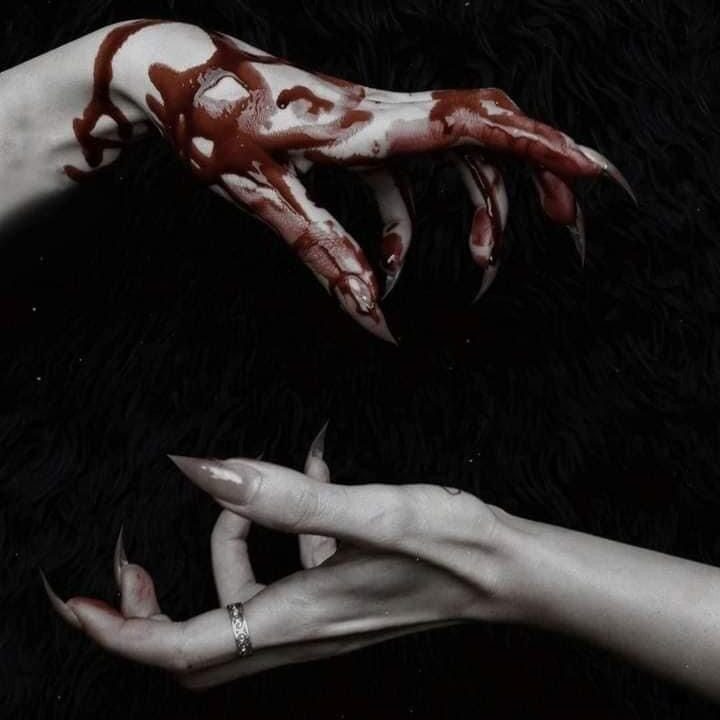
You’ve all seen them in movies before—glamorous, dangerous creatures of the night, lurking in the shadows, preying on humans, feasting on their blood. You’ve also likely heard of werewolves, too. Large, beastly monsters controlled by the moon, running in its light, leaving a trail of human carcasses in their wake. And in almost every piece of media, these two creatures do not get along. And so, it often begs the question, “Vampires vs. Werewolves—Who would win in a fight?”
Vampires vs. Werewolves: What side am I on?
If it wasn’t obvious from my first paragraph, I’m on Team Vampire. They’re immortal, ethereal, beautiful beings with a variety of superpowers and very often loaded with insane amounts of money. (It’s hard to live through many generations without amassing generational wealth.) It’s quite a bit of the superficial dream life—youthful, powerful, and rich. Almost perfect, if you exclude the whole being-dead part, the burning-in-the-sun bit and, of course, having to drink human blood.
I had this argument with my friends a few days before writing this article. I realised our arguments were heavily influenced by a few popular pieces of modern media. Shows like The Vampire Diaries, Teen Wolf and, of course, Twilight have heavily impacted how we view both creatures today. These movies and many others have shaped our understanding of these two monsters. We know movies tend to make one creature (the star of the show) look far better than the other creatures in the show. So, we’re ditching these shows and hitting the books.
Vampires: Count Dracula
Vampires have always existed in folklore in different shapes and forms, terrorising humans and draining their life source. With a rampant increase in vampire reports in the early 19th century, writers had an abundance of inspiration to write several literary pieces on vampires. One of those pieces included Bram Stoker’s Dracula, one of the most notable literary works on vampires.
We’ve all heard of the Count of Darkness, lord of vampires and Van Helsing’s biggest foe. Bram Stoker’s Dracula shares many details about the Count, including his many abilities. These powers included shapeshifting, telepathy, hypnosis, and superhuman strength—equal to that of 20 men. Agility, speed, flight, and the ability to climb on walls like a reptile. Necromancy, sorcery, immortality, and an eternal youthfulness maintained by blood. His weaknesses, as told by the book, included him losing those powers in the daytime—he did not burn up in sunlight, by the way. Others included silver, garlic, wooden stakes, holy water, crucifixes—holy objects of faith generally. He also had to be invited into a house to go in. What a polite guy!
He had so much aura. He could turn others into vampires and had authority over the thoughts and actions of every vampire he turned. These qualities were responsible for setting up how vampires were later interpreted in future media depictions from then on.
Werewolves: An Ancient History
Comparatively, werewolves date back so many centuries. From Ancient Greek mythology to European folklore, tales of men cursed to turn into monstrous werewolves have always existed. The earliest story was from Greek mythology. King Lycaon of Arcadia turned into a wolf after being cursed by Zeus. This was after King Lycaon attempted to feed him the flesh of his own son!
From this story, other versions in other cultures and time periods came forth. In some variations, this curse was a permanent transformation, like in King Lycaon’s. And in others, it was temporary and triggered by a full moon. Some European cultures considered werewolves as a group of people born with the hereditary trait to transform at will. In contrast to this, some other cultures thought this was an infectious affliction passed on by a werewolf’s bite or scratch.
Many of the abilities associated with these werewolves included strength, speed, regeneration, heightened senses, and invulnerability to normal weapons. A particular weakness included vulnerability to silver weapons.
What was it about silver, huh!
Vampires vs. Werewolves: A Final Battle
After mentioning all the strengths and weaknesses of vampires and werewolves, let’s imagine them both in a battle ring at night, since that’s where they’re at peak performance. Vampire against werewolf, with all the abilities both are capable of having. Both have strength, speed, regeneration, invulnerability, and an aversion to silver.
Additionally, the vampire has flight, sorcery, mind control, shapeshifting, and the ability to control the weather and other animals. Did I mention that Dracula could also shapeshift into a wolf too? The list goes on about all the wonderful powers vampires are capable of. My opinion? The only way this werewolf is leaving this fight alive is by entering a house that a vampire hadn’t been invited into.
In conclusion, vampires are the more formidable fictional creatures. They’re smarter, versatile, and have a larger range of abilities. They’re immortal beings who live for many centuries without a stake in their hearts. They must be doing something right to have survived so long. They’re undoubtedly the better monster.
Still, you may not agree with this opinion, and on the other hand, you might be thinking, “Hell yeah! Vampires are the best!”
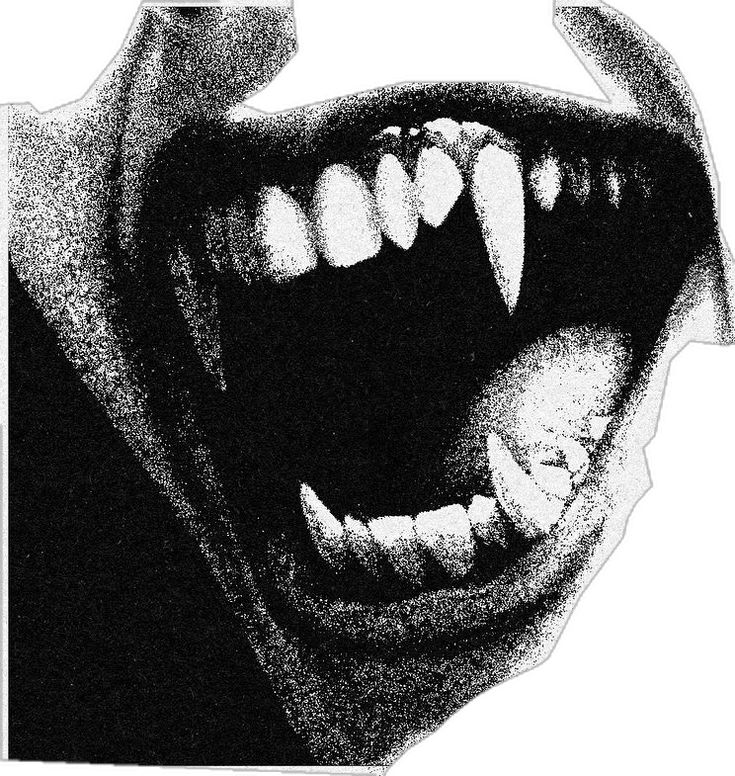
I’d really like to know, Vampires vs. Werewolves: What’s your opinion?

Your blog is a constant source of inspiration for me. Your passion for your subject matter shines through in every post, and it’s clear that you genuinely care about making a positive impact on your readers.