

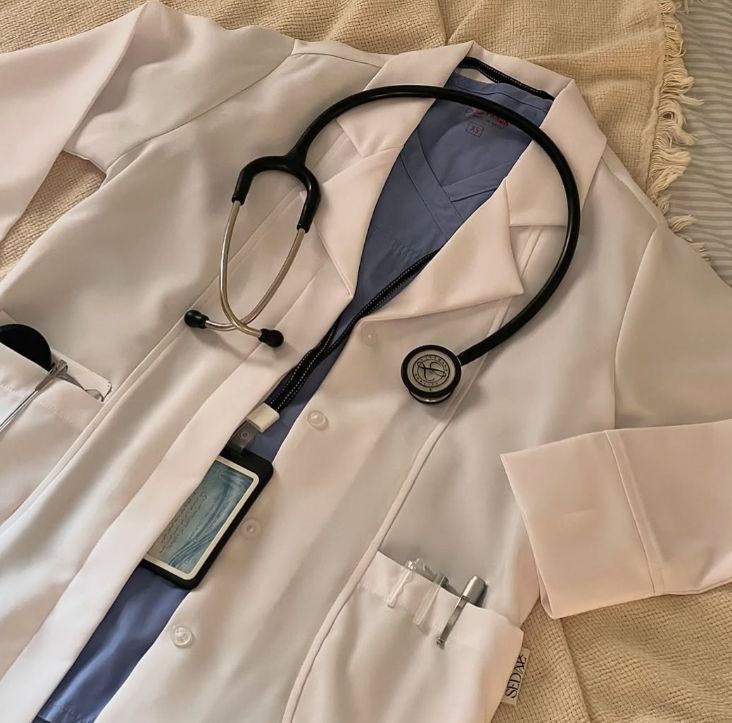
Medical Education, Medicine to be precise. Emotional well-being! How does it align? With these sheges I am facing 😂. These are questions this article would try to answer. Follow on, as we unveil a hidden curriculum.
Medical Education is universally recognized as one of the most rigorous and demanding forms of professional training. People describe it as draining and stressful. While this can be true, there is also another side of the story that we don’t pay attention to. Medical Education can also strengthen Emotional Well-being and Mental health in a number of ways.
Building sense of purpose.
One of the most powerful emotional benefits of medical training is the development of a strong sense of purpose. This beyond earning a degree or getting a job. It is about being part of something meaningful that really impact lives.
From the very beginning, medical students are reminded that their future involves helping people at their most vulnerable moments – easing pain, giving life-changing diagnosis or offering comfort to a grieved family. This awareness gives them an impression that they as well as their practices are very important and needed in the society.
During clinicals, they begin to interact with real patients and witness how their knowledge and skills can make a difference. Even small acts of listening to a patient or holding a patient hand brings the feeling of fulfillment. These moments fuel emotional motivation and resounds the point that all those hard work actually worth it.
Emotional Resilience and Mental strength.
In early Preclinical years of medical schools, the pressure is usually intense. Students adjust to new environment where the pace is fast, expectations are high, and competition are very strong. Many experience feelings of doubts, fear and failure especially when faced with the volume and complexity of materials they’re expected to cover.
Emotional resilience and Mental strength both describe the ability to cope with stress, bounce back from setbacks and keep going even when things get tough. Medical school births forth these qualities in students. The training while challenging helps students to build resilience over time.
Unfortunately, after celebrating their local championships😂 in their secondary school, it’s often the first time most of them are not at the top of their class. This definitely shakes their confidence.
Amidst these academic challenges, students find better ways to manage stress, organize their time better and stay focused. They learn that persistence matters more than perfection. Over time, bouncing back from poor incourse results, pushing through mental stress, and adjusting study methods all help students to become emotionally tougher and more adaptable, thereby develop sustainable mental strength.
Strong bonds and support systems.
The shared experience of medical school creates close friendship and strong networks. Classmates understand each other’s challenges in a way others can’t. They tend to study together, celebrate small wins, lean on one another in stressful times and offer supports as much as they can. This create a sense of emotional balance and safety among them.
In conclusion, while it’s true that medical school comes with pressure, it’s a journey filled with opportunities for emotional growth. With the right environment, support, and mindset, medical training helps you to become smarter, stronger, compassionate and more emotional balanced.
Interesting piece? Click here to get more.

Leave a Reply